Skills discolor. That holds true of languages, music instruments, and it is extremely true of first aid and CPR. I have actually checked people that aced their first aid course eighteen months earlier and after that froze when faced with a simple choking circumstance. Not due to the fact that they did not care, but since their memory had actually blurred around the details that matter.
Fast CPR and first aid correspondence course exist to connect that gap. They appreciate your time while restoring the muscle mass memory you require when somebody is not breathing, is hemorrhaging heavily, or has collapsed on the flooring. Done well, an express first aid course or fast CPR correspondence course can be the difference in between obscure recollection and confident action.
This is a functional guide to staying present without giving up a complete day every year.
Why refresher courses matter greater than you think
Most individuals undervalue just how promptly abilities degeneration. Research on resuscitation abilities reveals that high‑quality CPR performance commonly drops within 3 to 6 months of first training. That matches what trainers see in the room. The chest compression depth gets shallower. Hands wind up in the incorrect setting. The series of steps obtains muddled.
In a real emergency situation, stress and anxiety tightens the screw. Your heart races, your fine electric motor abilities take a hit, and your mind wants a straightforward strategy: check feedback, call for aid, start compressions, utilize a defibrillator if one is offered. If you have not taken a first aid and CPR course in over a year, that strategy may be fuzzy.
Refresher training does three points extremely well:
It updates you on standard adjustments, such as CPR compression rates, AED triggers, or first aid methods for bleeding and shock. It reconstructs your physical strategy, so your hands remember what your mind could forget. It recovers your confidence, which is usually the very first casualty when time passes after training.When people finish a fast first aid course or express CPR course, one of the most typical comment is not regarding passing a test. It is, "I seem like I could really do this now."
What "fast" truly implies in first aid and CPR training
The word "fast" frets some people. They imagine a rushed slide show, a few half‑hearted compressions, and a published first aid certificate that suggests really little.
An effectively designed fast first aid course or express CPR training session is not a shortcut in quality, it is an improvement in focus. The fitness instructor thinks you have actually seen the web content prior to. Instead of building everything from scratch, the instructor pulls you straight right into the core skills and essential updates.
Typical approaches for fast first aid courses and fast cpr courses include:
- Shorter sessions that concentrate on necessary skills, often 2 to 4 hours as opposed to a complete day. Pre course online modules that revitalize theory, leaving the course time for scenarios and hands‑on practice. A targeted educational program that misses low‑yield topics and stresses life‑threatening conditions.
If your initial first aid training was extensive and you maintain your refresher timetable tight, fast certification is not only risk-free, it is usually much more reliable because it mirrors just how genuine emergency situations really feel: brief, intense, focused.
Core skills you need to constantly refresh
Whether you register in fast first aid training, an express first aid course, or a combined first aid and cpr course, a solid refresher ought to review a familiar set of crucial skills. The labels might differ between companies, but the foundation are the same.
CPR for grownups, youngsters, and infants
CPR is the skill individuals are afraid most and remember least precisely. Throughout refreshers, it prevails to see compressions that are as well sluggish, too light, or as well hesitant. A robust cpr training refresher will certainly:
- Re set your sense of the appropriate price and depth using timed practice and responses gadgets when available. Correct hand positioning and body mechanics so you utilize your body weight instead of arm strength. Walk through distinctions for grownups, kids, and babies without frustrating you with detail.
AED usage sets naturally with CPR in modern first aid courses. In technique, that implies obtaining comfy with opening up the case, sticking the pads in the appropriate area, and following the prompts without second‑guessing the machine.
Managing breathing troubles and choking
Choking cases are common in workplaces, restaurants, and childcare settings. I have seen very experienced personnel freeze over something as easy as whether to give back blows very first or stomach drives, and what to do if the individual ends up being unresponsive.
A fast first aid course should practice:
- Recognition of partial versus total air passage obstruction. Safe, strong back blows and stomach drives for grownups and older children. Adapted methods for babies, consisting of breast thrusts rather than abdominal thrusts. The handover from choking protocol to CPR if the individual collapses.
Asthma attacks and severe allergic reactions also drop under breathing emergencies. Express first aid training typically revisits inhaler support, use of spacers, and epinephrine auto‑injectors, along with the indicators that breathing is deteriorating.
Bleeding, shock, and traumatic injuries
You can shed a frightening quantity of blood in minutes. A high quality first aid training refresher spends much less time on obscure injuries and more on the fundamentals succeeded:
Direct pressure. Altitude where proper. Correct placement of plasters. Early recognition of shock, especially when the person looks "fine" however is pale, clammy, and anxious.
Some courses also cover tourniquets and haemostatic dressings, specifically in high‑risk markets. For lots of workplaces, the top priority is obtaining first aid courses in Hobart everyone comfy with strong, sustained pressure and calm reassurance.
Medical conditions you are likely to see
The value of first aid and cpr training classes increases when they fit the setting. For an office, that generally means cardiac events, fainting, diabetic person concerns, and occasional allergic reactions. For an industrial site, crush injuries and burns are much more pertinent. For child care, taking a breath concerns, high temperatures, and small head injuries dominate.
A good fast first aid course will discuss the problems that match your context, without sinking you in pathology. You do not require to diagnose; you require to identify threat and act.
Fast, express, and blended courses: comprehending the options
The training market can appear like alphabet soup: fast cpr, express first aid courses, mixed first aid and cpr courses, fap first aid, refresher degree this and that. Below the tags, you commonly see a few clear formats.
Express first aid courses press the class time. You may complete 1 to 2 hours of pre‑learning online, then participate in a brief, extensive in‑person session concentrated on practice and assessment.
Fast CPR courses can be even much shorter, especially if they just rejuvenate CPR and AED abilities and exclude various other first aid subjects. A stand‑alone fast cpr refresher course typically runs 1 to 2 hours and is excellent for workplaces that already run wider first aid courses separately.
Blended first aid and CPR courses mix on-line theory with functional workshops. These serve when you need full renewal of your first aid certificate however do not want to invest an entire day in the class. You finish the understanding modules at your own rate, after that participate in a much shorter useful session for assessment.
Express child care first aid training is typically tailored to very early years settings and colleges. An express childcare first aid course or collection of express child care first aid courses will certainly still fulfill governing content needs, but will certainly focus heavily on paediatric scenarios. Expect even more time on baby and child CPR, choking, fevers, seizures, and play area injuries.
The details calling differs by service provider and region. What issues is whether the course is identified by your regulator or market body and whether the material matches your threat profile.
How usually ought to you refresh?
Many people await their first aid certificate to end before booking anything. That is not excellent. Most certifications last from one to three years relying on regional policies and the level of training. Ability degeneration does not respect that timetable.
In technique, the adhering to rhythm works well in most setups:

- CPR and AED: rejuvenate every one year via fast CPR courses or short express cpr training. General first aid: rejuvenate a minimum of every 3 years, with short refreshers or tool kit talks in between. High danger or high responsibility duties (child care, remote work, security): think about yearly express first aid training, even if the formal certificate lasts longer.
If doubtful, think of a person close to you breaks down tomorrow. How recent would you want your very own cpr training to be?

Choosing the ideal company and format
The phrase "fast first aid course near me" will certainly offer you lots of alternatives, however not all are equal. A slick internet site does not assure strong training. There are a number of points I inspect when auditing providers for organisations.
Accreditation and acknowledgment come first. Make certain the company's first aid and cpr courses satisfy the requirement called for by your regulator, insurance provider, or professional body. For childcare companies, check that any express childcare first aid course meets the certain paediatric requirements, not simply common first aid.
Trainer experience makes a big difference in fast layouts. With less time, you need trainers who can coach rapidly, place mistakes early, and give clear, details comments. Ask whether the fitness instructors have actually real‑world clinical or emergency situation experience, such as rescue job, nursing, or comprehensive field first aid.
Class dimension matters a lot more in express first aid training. In a two‑hour session, a group of twenty will not get much private method. For fast certification that involves CPR skills, I like teams of twelve or less per instructor.
You also want to know just how the theory element is handled. If most discovering is on the internet, examine that it is interactive as opposed to simply a downloadable PDF. An excellent blended course will include situation concerns, brief video clips, and basic understanding checks, so the class time can concentrate on doing rather than listening.
Finally, inspect what you take away. You ought to leave with a recognised certificate, certainly, however likewise with accessibility to refresher materials such as quick recommendation guides, videos, or wallet cards. The most effective first aid courses enhance discovering long after you go out the door.
What a fast refresher session in fact feels like
People often ask if a fast first aid course will really feel hurried. It should feel concentrated instead of frenzied. Allow me describe a common fast cpr correspondence course for workplace staff.
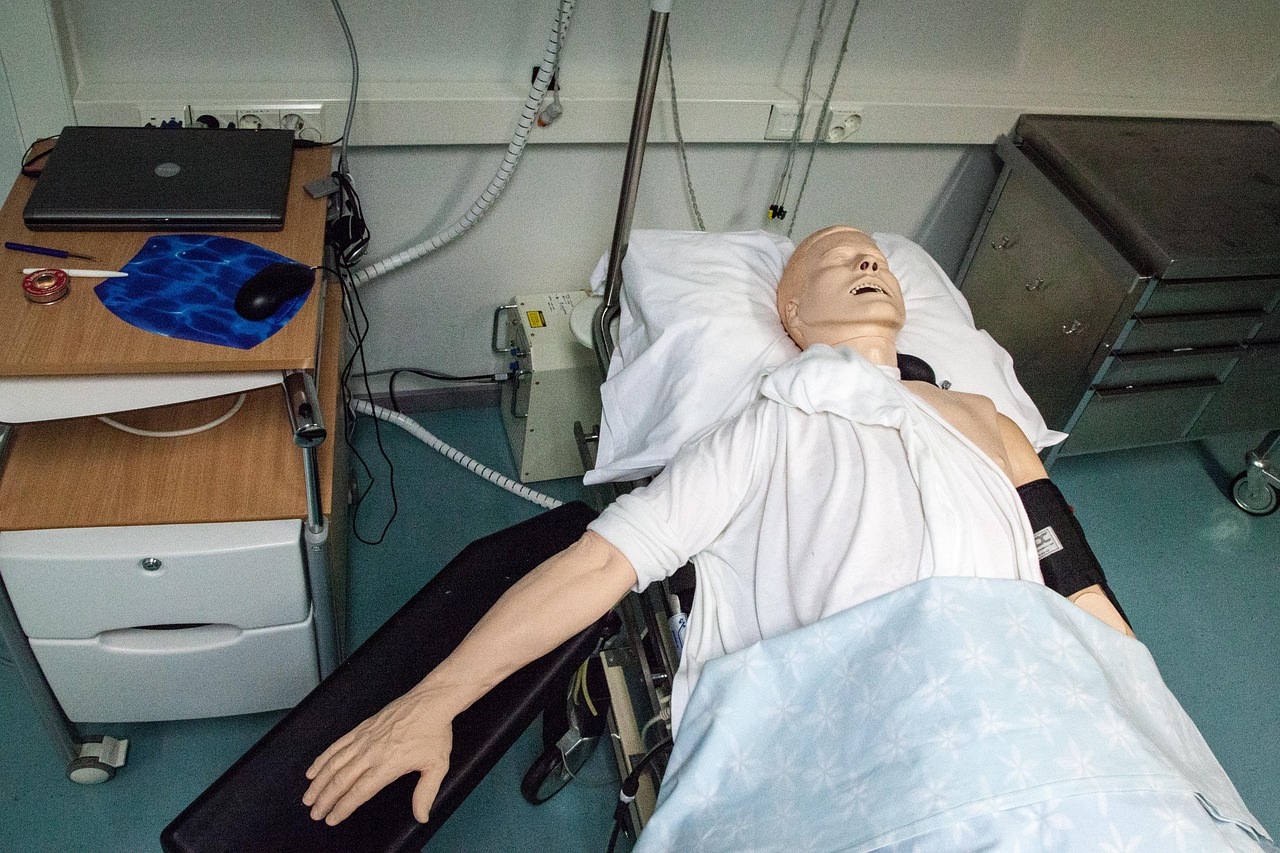
You show up to find the manikins currently established, AED fitness instructors on the table, and a brief sign‑in procedure. As opposed to a long talk, the trainer opens up with a quick "what do you bear in mind" workout to surface existing understanding. Within 15 mins, you are on the flooring practicing compressions.
Over the following hour, the fitness instructor rotates you with terminals: grown-up CPR, kid CPR, AED procedure, and choking experiment responses manikins if available. Brief demonstrations stress the technique, however the emphasis stays on your hands, not the teacher's voice.
There is time for inquiries and a brief debrief about regional emergency situation procedures, such as where the AEDs remain in your building. Assessment is typically constant as opposed to an official test. The instructor enjoys your strategy and offers you adjustments till it meets the standard.
By completion, your muscle mass are tired, which is exactly the point. You have actually felt what two minutes of high‑quality compressions really demands. You have actually heard the AED prompts enough times that they will certainly not surprise you.
An express first aid course that covers much more territory follows a comparable pattern, simply including short terminals on bandaging, healing setting, and medical conditions. The pace is brisk, but you are never sitting still for long.
Balancing speed and depth in child care settings
Childcare includes a layer of psychological pressure. When it is your job to maintain little kids secure, the concept of reducing corners in training really feels wrong. The challenge is that nurseries, preschools, and after‑school clubs usually operate on tight staffing and restricted cover. Pulling personnel out for full‑day courses annually is not always practical.
Express childcare first aid training, when developed properly, respects both sides of that equation. An express childcare first aid course still requires to cover the complete spectrum of paediatric emergencies required by your regulator. That normally consists of infant and youngster CPR, choking, anaphylaxis, bronchial asthma, seizures, major blood loss, head injuries, and safe surveillance of unwell children.
The "express" part typically comes from 2 levers. Initially, concept such as recognition of common childhood ailments can be moved online, with personnel completing modules on a phone or tablet. Second, the sensible day can be tightened up by utilizing practical yet succinct situations instead of extended lectures.
Express childcare first aid courses work best when the setting strengthens them with quick refreshers throughout the year. Short drills, 10‑minute discussions at personnel meetings, or micro‑scenarios during quieter periods maintain the knowledge energetic. I often advise supervisors that first aid training is not a one‑off event; it becomes part of the culture.
Getting one of the most from a fast course
Fast training benefits prep work. If you are going to invest a few hours right into an express cpr course or fast first aid course, it pays to arrive prepared. A straightforward routine jobs well.
- Complete any pre‑course products correctly instead of clicking via. It will save time and let you ask far better questions. Think about real events you have actually seen or bothered with: a coworker with a heart disease, a kid with serious allergies, somebody who fainted at work. Bring those to the session. Wear comfortable clothes you can stoop in. You will do far better compressions and keep in mind more if you are not sidetracked by tight garments or awkward shoes. After the course, show one point you discovered to somebody else. Clarifying anchors memory, also if it is just a two‑minute conversation.
Those 4 little actions can transform a routine refresher into something that really alters exactly how you behave in an emergency.
Online only vs in‑person: where fast fails
Every so often, somebody asks whether a 100 percent online fast first aid course is "good enough." From a regulatory or insurance viewpoint, the response is usually no. From a skills perspective, the answer is often no.
You merely can not find out the feel of right CPR deepness, or the flair of rolling a person right into the recuperation position, by clicking through slides. On the internet components in first aid and cpr training classes work wonderfully for understanding: first aid pro Sunshine Coast understanding indicators of stroke, allergic reaction signs, or the distinction in between warmth fatigue and heatstroke. For physical abilities, you require a trainer and a manikin.
Express cpr courses and fast first aid training need to often include an in‑person functional component, also if it is quick. If you see a carrier offering fast first aid courses without face‑to‑face get in touch with whatsoever, be cautious. The moment you save might be at the cost of the only part that matters when somebody falls down at your feet.
Keeping abilities alive between courses
No matter just how good the express first aid courses are, you can not rely on a solitary burst of training every year or three to maintain you sharp. Luckily, preserving your skills in between formal sessions does not call for substantial effort.
First, review your course notes or electronic resources every couple of months. Five mins right here and there is enough. Second, mentally rehearse scenarios. Picture somebody at your workplace or home breaking down, and walk through what you would certainly do step by step: check action, telephone call for aid, start CPR, send out for the AED.
Third, take notice of the positioning of first aid packages and AEDs in places you see often. Supermarkets, gyms, train stations, institutions. The even more mindful you are of the resources around you, the much less time you will shed in actual events.
Many organisations likewise run brief refresher courses or tool kit talks that can work as mini express first aid training sessions. These do not change complete courses, yet they keep individuals involved and confident.
When fast is not the ideal choice
There are circumstances where a fast first aid or fast cpr style is not ideal. If you have never ever educated before, you need a full, structured first aid and cpr course, not simply a fast review. The fast choices assume you show up with a foundation.
If your role has significant duty for others, such as designated very first aider in a large website or lead childcare professional, an extra detailed first aid course might be appropriate the very first time around, complied with by fast first aid courses as refreshers.
Finally, if you feel very anxious concerning emergency situations or have had a disappointment where you felt defenseless, a longer format can provide you more time to procedure, ask questions, and technique till you are comfortable. Speed is valuable, yet not if it leaves your fears unaddressed.
The real measure of success
Certificates run out. Rules shift. Course names change. The core inquiry stays simple: if a person collapsed beside you tonite, would certainly you move, or would you freeze?
Fast CPR and first aid correspondence course exist to make sure that even more people can answer that inquiry with silent, grounded self-confidence. They respect hectic schedules without diluting the fundamentals. They use method instead of lectures, circumstances as opposed to theory dumps.
Whether you choose express cpr courses for yearly refresher courses, a blended first aid and cpr course every few years, or routine express childcare first aid training for your team, the objective coincides. Maintain the knowledge active. Keep the skills sharp. When the worst takes place, you will not be thinking of the style or the carrier. You will certainly be considering the individual in front of you, and your hands will recognize what to do.